
What Are Dental Crowns? Everything Marietta Patients Should Know Before Getting One
- May 20, 2026
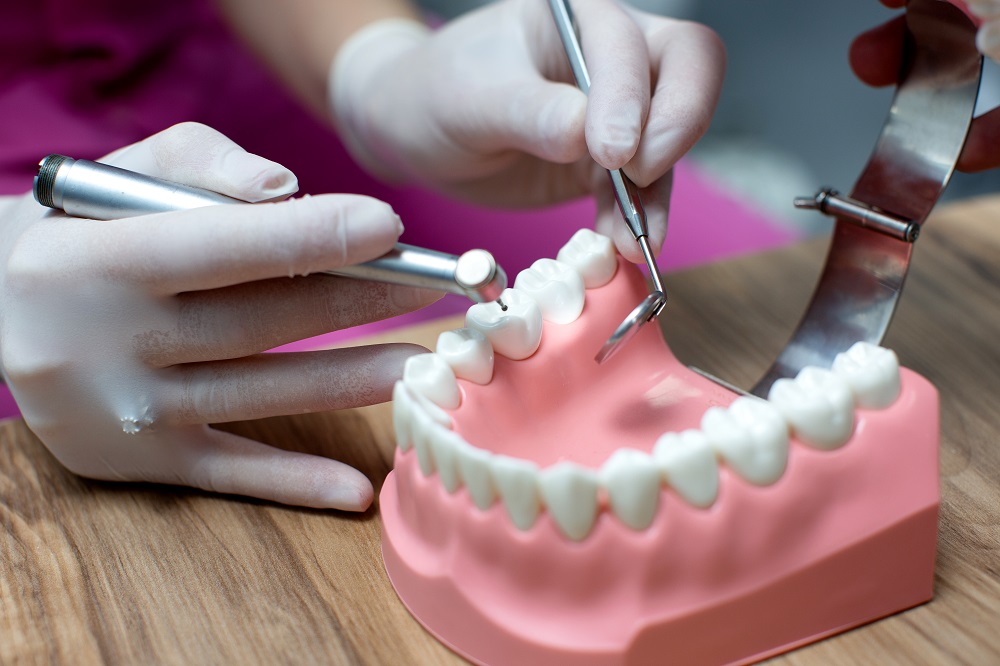
You are sitting in the dental chair and your dentist tells you the tooth needs a crown. Suddenly you have a dozen questions. What exactly is a crown? What is it made of? How long will it last? Will it hurt? What does the procedure actually involve? These are exactly the questions patients at Simaya Prosthodontics ask before their first crown appointment, and they are the right questions to ask. Dr. Kumar Patel, a board-certified prosthodontist, places dental crowns with a level of precision and planning that goes beyond what most general dental practices offer. This guide answers everything Marietta and Newnan patients need to know before getting one.
What Is a Dental Crown?
A dental crown is a cap that fits over a damaged, decayed, or weakened tooth, covering it completely from the gumline up. Once cemented into place, it restores the tooth’s original shape, strength, function, and appearance. From the outside, it looks and feels like a natural tooth. From a structural standpoint, it protects whatever remains of the natural tooth underneath from further damage or breakdown.
Crowns are one of the most foundational treatments in prosthodontics. They are used in a wide range of situations, from repairing a single cracked molar to serving as the visible tooth-shaped component that sits on top of a dental implant. Whether the goal is to save a compromised tooth, complete a restoration, or rebuild a smile after significant damage, the crown is often the key piece that makes it all work.
5 Common Reasons You May Need a Crown
Your dentist or prosthodontist may recommend a crown in a number of clinical situations. Here are the most common reasons crowns are prescribed.
A severely cracked or fractured tooth. When a crack extends deep enough that a filling cannot hold the tooth together effectively, a crown encases the entire structure and prevents the crack from worsening. Left untreated, a deep crack can eventually split the tooth beyond repair.
A large cavity that cannot be filled. When decay has destroyed too much of the tooth’s structure for a standard filling to provide adequate support, a crown becomes the appropriate restoration. It covers and protects what remains while restoring full function.
A tooth worn down from grinding. Patients with bruxism or TMD-related grinding habits can wear their teeth down significantly over time. Crowns rebuild the tooth to its proper height and shape, restoring both bite function and appearance.
After a root canal. A tooth that has undergone root canal treatment becomes more brittle and vulnerable to fracture. A crown placed over the treated tooth protects it and significantly extends its lifespan.
To complete a dental implant. When a tooth is replaced with a dental implant, the crown is the visible portion that sits above the gumline. It is custom-fabricated to match the surrounding teeth in shape, size, and color, making the restoration indistinguishable from a natural tooth.
Types of Dental Crowns: Which One Is Right for You?
Not all crowns are the same, and choosing the right material for your specific situation involves weighing aesthetics, durability, bite forces, and the position of the tooth in the mouth. Here is a straightforward breakdown of the main options.
| Crown Type | Best For | Durability |
| Porcelain / Ceramic | Front teeth, aesthetic priority | High |
| Porcelain-Fused-to-Metal (PFM) | Back teeth, mixed needs | Very High |
| Zirconia | Back teeth, strength plus aesthetics | Excellent |
| Metal / Gold | Back molars, heavy chewers | Outstanding |
Porcelain and ceramic crowns are the most natural-looking option available. They are fabricated to match the translucency and color of surrounding teeth with exceptional accuracy, making them the preferred choice for front teeth where appearance is the primary concern. Modern all-ceramic materials have improved significantly in strength, making them a viable option for some back teeth as well.
Porcelain-fused-to-metal crowns combine a metal substructure for strength with a porcelain exterior for aesthetics. This has been a reliable standard for decades and remains a strong option for back teeth where both durability and a natural appearance are priorities. In some cases, a thin line of metal may become visible at the gumline as gum tissue changes over time, which is a consideration for teeth in highly visible positions.
Zirconia crowns represent the current gold standard for many patients. Zirconia is an exceptionally strong ceramic material that resists chipping and cracking under heavy bite forces while still offering excellent aesthetic results. It is a particularly strong choice for back teeth that need to withstand significant chewing pressure without compromising on appearance.
Metal and gold crowns are the most durable option available and require less removal of natural tooth structure than other materials. They are the preferred choice for back molars in patients who place heavy demands on their teeth, though their metallic appearance makes them less suitable for visible positions.
Dr. Patel works with each patient individually to select the crown material that best fits their bite mechanics, the position of the tooth, their aesthetic goals, and their long-term oral health plan. There is no one-size-fits-all answer, and the right choice depends on the full clinical picture.
The Dental Crown Procedure: Step by Step
Understanding what the process involves from start to finish helps patients feel confident and prepared going into their first appointment.
Step 1: Consultation and Examination. The process begins with a thorough evaluation that includes X-rays and, in many cases, digital impressions of the tooth and surrounding bite. Dr. Patel assesses not just the tooth itself but how it relates to the surrounding teeth and the overall bite before any treatment planning takes place.
Step 2: Tooth Preparation. The tooth is reshaped to create room for the crown to sit over it properly. This involves removing a precise amount of outer tooth structure on all sides. Local anesthesia is used throughout this step, and sedation options are available for patients who prefer additional comfort during the procedure.
Step 3: Temporary Crown Placement. While the permanent crown is being fabricated, a temporary crown is placed over the prepared tooth to protect it and maintain function. This temporary restoration stays in place for the duration of the fabrication period.
Step 4: Crown Fabrication. The permanent crown is fabricated based on the precise impressions taken during the preparation appointment. Depending on the technology available and the complexity of the case, this may be completed in a dental laboratory or, in some cases, in-office.
Step 5: Permanent Crown Placement. At the second appointment, the temporary crown is removed, the permanent crown is checked for fit, color, and bite alignment, and then cemented into place. Final adjustments are made to ensure the crown sits perfectly within the bite before the appointment concludes.
The full process typically spans two appointments over one to three weeks depending on the specifics of the case. Patients leave each appointment with full function restored and a clear picture of what to expect next.
How Long Do Dental Crowns Last?
With proper care, most dental crowns last between 10 and 15 years. Zirconia and metal crowns, given their exceptional durability, can last 20 years or longer in many cases.
Several factors influence how long a crown holds up over time. Oral hygiene is the most significant. Crowns themselves cannot decay, but the tooth structure underneath and the gumline around the crown are still vulnerable. Consistent brushing, flossing, and regular professional cleanings protect the crown’s foundation.
Grinding and clenching habits place significant stress on crowns and can shorten their lifespan considerably. Patients who grind are strongly advised to wear a custom night guard to protect both the crown and the surrounding teeth.
The precision of the original placement also plays a major role. A crown that fits the bite and margins exactly puts less stress on the restoration over time. This is one of the key reasons crowns placed by a prosthodontist tend to last longer. Prosthodontists are specialists in bite mechanics and occlusion, and that expertise translates directly into restorations that fit more accurately and perform better over the long term.
Practical habits that extend crown lifespan include avoiding chewing ice, not using teeth to open packaging, and attending routine checkups where the crown can be monitored for any early signs of wear or margin changes.
Why See a Prosthodontist for Your Crown, Not Just Any Dentist?
General dentists place dental crowns routinely, and many do excellent work. But there is a meaningful difference in the level of specialized training and clinical focus that a prosthodontist brings to the process.
Prosthodontists complete three additional years of specialty training beyond dental school, focused exclusively on the restoration and replacement of teeth. This training covers advanced bite mechanics, occlusion, aesthetics, and the planning of complex restorations in ways that general dental training does not.
When Dr. Patel places a crown, he evaluates not just the individual tooth but how that crown will function within the full context of your bite, your jaw mechanics, and your overall oral health. This full-mouth perspective means the crown is designed to work correctly within a system, not just to cover a tooth in isolation.
For patients who need multiple crowns, who are combining crowns with implants, or who are undergoing broader restorative treatment, this level of planning is particularly valuable. Crowns that are placed as part of a coordinated restorative plan consistently perform better and last longer than those placed without that broader context.
How Much Does a Dental Crown Cost in Marietta, GA?
Crown costs vary depending on the material selected, the complexity of the individual case, and the number of crowns involved in the treatment plan. Because every patient’s situation is different, providing a meaningful number without a clinical evaluation is not possible.
The best way to understand what your specific treatment will involve and what the investment looks like is through a personalized consultation. At that appointment, Dr. Patel can review your case, discuss material options, and give you a clear picture of what to expect.
Call Simaya Prosthodontics to schedule your crown evaluation in Marietta or Newnan. Our team is happy to answer questions about financing options and insurance coverage when you call.
Your Smile Deserves Specialist-Level Care
Whether you have already been told you need a crown or you are still in the research stage, Simaya Prosthodontics is here to guide you through every step of the process. Dr. Kumar Patel brings specialist-level precision to every restoration, from single crowns to full-mouth rebuilds, with a focus on fit, function, and long-term results that hold up over time.
Simaya Prosthodontics serves patients in Marietta, Newnan, and surrounding Georgia communities. Schedule your consultation today by calling our office or booking online. Your smile deserves more than a one-size-fits-all fix, and that is exactly what specialist care delivers.
FAQ:
1. Does getting a crown hurt?
The preparation procedure is performed under local anesthesia, so most patients feel pressure and movement rather than pain during the appointment. Some mild sensitivity in the days following preparation is normal as the tooth adjusts. Sedation dentistry options are also available for patients who prefer additional comfort throughout the process.
2. Can a crown fall off?
It is uncommon but possible. The most frequent reasons a crown becomes loose or dislodged are decay developing underneath the crown or a cement bond that has weakened over time. Proper placement technique, good oral hygiene, and regular checkups significantly reduce this risk.
3. Is a crown the same as a cap?
Yes. Cap is simply the informal term patients and providers sometimes use to refer to a dental crown. They are the same restoration.
4. Can I eat normally with a crown?
Once the permanent crown is fully placed and the bite is adjusted, normal eating resumes. During the temporary crown phase, it is advisable to avoid very hard, sticky, or chewy foods on that side of the mouth. After the permanent crown is placed, most patients return to their full diet without restriction, though avoiding habits like chewing ice is always a good idea.
5. How do I care for a crown?
Brush twice daily, floss carefully around the crown and gumline, and attend regular professional cleanings. If you grind your teeth, wear a night guard to protect the crown from excessive force. With consistent care, a well-placed crown can serve you reliably for many years.