
How Long Do Dental Implants Last? A Complete Lifespan Guide
- April 30, 2026
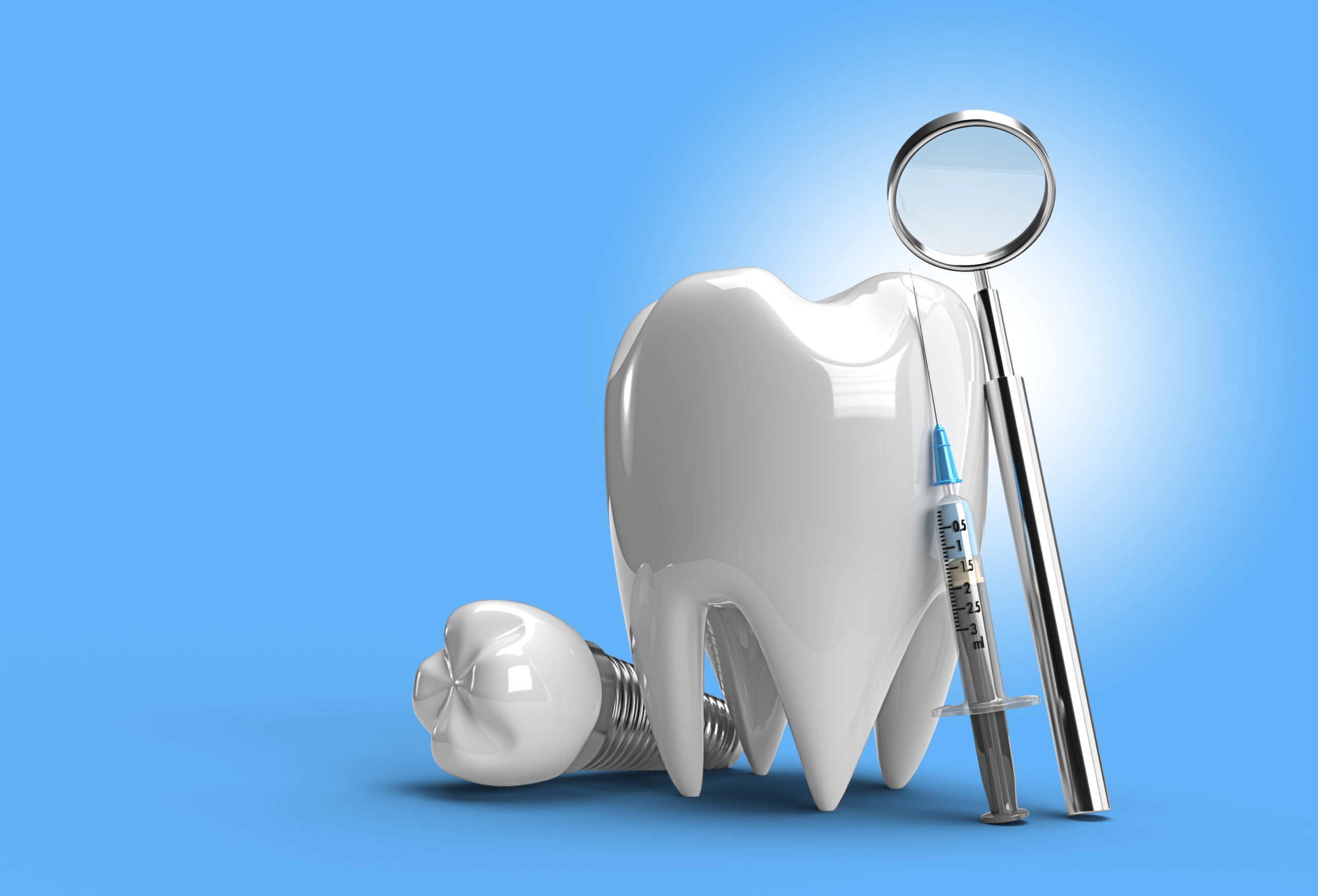
Dental implants typically last 20 to 30 years and often a lifetime, while the crown on top usually needs replacing every 10 to 15 years. The titanium post fuses with the jawbone and rarely wears out. The crown takes daily chewing forces and wears down. Good oral hygiene, regular checkups, and not smoking are the biggest factors in longevity.
Below, we break down what affects your dental implant lifespan and how to protect it.
Dental Implant Lifespan: The Post vs. The Crown
To understand dental implant longevity, you must view the implant as a two part system. The titanium post acts as a permanent prosthetic tooth root, while the crown serves as the functional chewing surface.
| Implant Component | Average Lifespan | Replacement Needed? |
| Titanium Implant Post | 20 to 30+ years (often lifetime) | Rarely |
| Abutment | 15 to 20 years | Sometimes |
| Implant Crown | 10 to 15 years | Yes, with wear |
The “magic” of the implant post lies in osseointegration, a biological process in which your jawbone fuses directly with the titanium. This creates a structural bond as strong as natural bone. Clinical data support this durability, showing a 96.8% survival rate at 10 years according to longitudinal studies published in the International Journal of Implant Dentistry.
How Long Do Different Types of Implants Last?
The “how long does a dental implant last” question depends heavily on the specific configuration of the restoration.
How Long Do All-on-4 Dental Implants Last?
All-on-4 systems utilize four titanium posts to support a full arch of teeth. While the posts are designed to last 25 years to a lifetime, the prosthetic arch itself (the “teeth”) typically needs replacement every 10 to 15 years because it bears the full force of your bite.
How Long Do Full-Mouth Dental Implants Last?
Full mouth restorations offer similar longevity to single implants. However, if you have bar-supported overdentures, the attachments may require “relining” or maintenance every few years to ensure a snug fit as the jaw structure evolves.
How Long Do Mini Dental Implants Last?
Mini dental implants (MDIs) generally last 10 to 15 years. Because they have a smaller diameter, they provide less surface area for bone fusion and are often used to stabilize lower dentures rather than to replace individual molars.
Dental Implants for Seniors
Age is rarely a disqualifying factor for implant longevity. At Simaya Prosthodontics, Dr. Kumar Patel focuses on bone density and systemic health rather than the date on a birth certificate. As long as the jawbone is healthy and chronic conditions are managed, seniors can expect the same decades-long success as younger patients.
What Is the Success Rate of Dental Implants?
Dental implants boast the highest success rate of any tooth replacement option. Peer-reviewed data from the American Association of Implant Dentistry (AAID) indicates:
- 97% success rate at the 10-year mark.
- 94% survival rate at 15 years.
- Approximately 80% of implants remain fully functional after 20 years.
Dr. Patel notes that while the hardware is nearly indestructible, the biological environment the gums and bone must remain healthy to support it.
What Factors Affect How Long Dental Implants Last?
Several variables dictate whether your implant lasts a decade or a lifetime.
- Bone Density: A strong foundation is required for osseointegration.
- Oral Hygiene: Poor cleaning leads to peri-implantitis, an infection similar to gum disease that is the leading cause of implant failure.
- Smoking: Tobacco use restricts blood flow to the gums, doubling the risk of failure.
- Chronic Conditions: Uncontrolled diabetes or osteoporosis can slow healing and weaken the bone-to-implant bond.
- Placement Technique: Precision matters. Dr. Patel’s 20+ years of expertise in prosthodontics ensures the implant is placed where bone volume is highest.
At Simaya Prosthodontics in Marietta and Newnan, GA, we perform a comprehensive candidacy evaluation to maximize these factors before your procedure begins.
How to Make Your Dental Implants Last Longer
Maintaining your investment is straightforward but requires consistency.
- Brush twice daily with a soft-bristle toothbrush to avoid scratching the restoration.
- Floss daily using a water flosser or implant-specific tape.
- Visit your dentist every 6 months for professional cleanings.
- Avoid hard objects: Don’t chew ice, pens, or hard candy.
- Wear a night guard if you have a history of teeth grinding (bruxism).
- Manage systemic health: Keep blood sugar levels stable if you are diabetic.
- See a specialist: Choosing a prosthodontist for placement ensures the highest standard of care.
For more guidance, the American Dental Association (ADA) provides comprehensive care standards for dental restorations.
Signs a Dental Implant May Be Failing
While rare, it is vital to recognize the signs of a potential issue. “Can dental implants fall out?” is a common fear; while they rarely just “fall out,” they can become loose due to infection or bone loss.
Warning Signs:
- Persistent pain or discomfort around the site.
- Swelling or bleeding of the gums near the implant.
- A sensation that the implant is shifting or loose.
- Difficulty chewing.
- A persistent bad taste or odor near the post.
If you notice these symptoms in Marietta or Newnan, contact Simaya Prosthodontics immediately. Early intervention can often save the implant.
Are Dental Implants Worth It Long-Term?
When comparing cost versus longevity, dental implants are the most economical choice over a 20-year period.
Tooth Replacement | Avg. Cost | Lifespan | Long-Term Value |
Dental Implant | $3,000–$6,000 | 20 to 30+ Years | Highest (One-time cost) |
Dental Bridge | $2,000–$5,000 | 10 to 15 Years | Moderate (Needs replacement) |
Dentures | $1,500–$3,000 | 5 to 8 Years | Lowest (Frequent replacement) |
We accept various insurance providers, including Cigna, Delta Dental, MetLife, and Humana, and offer CareCredit financing to help make this permanent solution accessible.
FAQ: Everything Patients Ask About Dental Implant Lifespan
1. Do dental implants last a lifetime?
The titanium post is designed to be permanent. The crown attached to it usually lasts 10 to 15 years before needing replacement.
2. Are dental implants permanent?
Yes, the post is considered a permanent replacement for a tooth root.
3. How long after extraction can I get an implant?
Usually, 3 to 6 months is required for the bone to heal, though “immediate placement” is possible in specific clinical cases.
4. Can a dental implant fall out after years?
It is rare but possible if the patient develops severe gum disease or significant bone loss.
5. Do dental implants need to be replaced?
The crown will eventually wear down and need replacement, but the metal post rarely does.